Roof Systems Designed for Mountain Weather
Roofing in Blue Ridge for custom homes and residential remodels facing high-country snowfall and ice dams
Steep pitch requirements and ice dam risk in North Georgia mountains mean roof installation involves more than nailing shingles—it requires understanding how snow accumulation, freeze-thaw cycles, and elevation-specific wind patterns affect long-term performance and where failures typically occur. G&R Company LLC installs roofing on new construction and remodel projects across Blue Ridge, Mineral Bluff, and Jasper, where durability depends on material selection, underlayment standards, and flashing details that prevent water intrusion during the heavy weather events common at higher elevations. Property owners building custom homes or replacing aging roofs rely on installation that handles mountain conditions without callbacks for leaks, ice damage, or premature shingle failure.
Roof installation involves removing old roofing material down to decking if it's a replacement, then installing underlayment and ice-and-water shield in vulnerable zones—eaves, valleys, and penetrations—before laying shingles or metal panels according to manufacturer specifications for pitch and exposure. Flashing around chimneys, skylights, and sidewalls gets integrated with underlayment layers to create redundant water barriers, and ventilation components are installed to manage attic airflow and prevent moisture buildup that degrades decking and insulation over time.
Arrange a roof assessment to evaluate pitch, ventilation needs, and material options suited to your elevation and exposure.
What Proper Roof Installation Requires at Elevation
Roofing work begins with ensuring decking is sound and flat, replacing any damaged or rotted sheathing before underlayment goes down, then applying self-adhering membrane along eaves and valleys where ice dams form and meltwater backs up under shingles. Shingle installation follows staggered patterns that prevent water from channeling through joints, with fasteners placed in the adhesive strip zone to resist wind uplift during mountain storms. Steep-pitch roofs common in Blue Ridge designs require additional safety rigging and slower installation rates, since workers must secure themselves while maintaining proper shingle alignment and exposure.
Once roofing is complete, your home will have a sealed, weather-resistant envelope that sheds snow and rain without leaking at penetrations or transitions, and attic ventilation will function correctly to prevent heat buildup in summer and moisture accumulation in winter. You'll notice that roof valleys channel water efficiently without ponding, and flashing details around chimneys and sidewalls show clean, overlapped layers that direct water downslope rather than allowing seepage behind siding or trim.
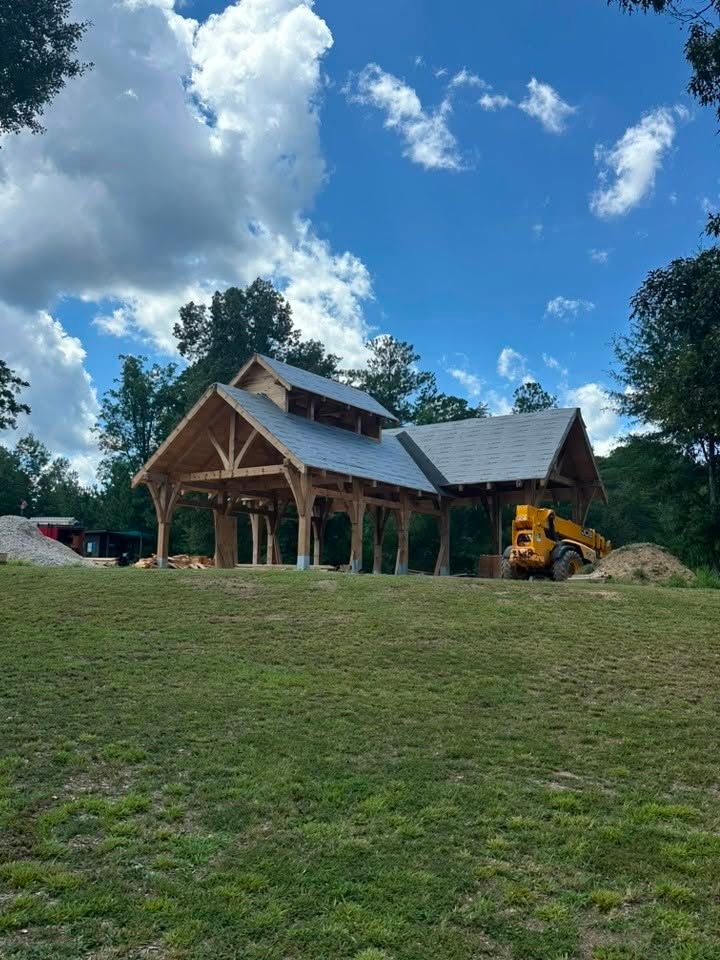
The installation also addresses structural and aesthetic requirements specific to mountain homes—steep pitches that handle snow load, material colors that blend with wooded settings, and underlayment standards that exceed minimum code to account for the harsher weather conditions at elevation. Roofing integrates with the full custom home delivery timeline, coordinating with siding, gutter installation, and interior finishing so the building stays dry through construction.
What Homeowners Ask About Mountain Roofing
Roof installation and replacement decisions involve material performance, weather durability, and how mountain conditions affect longevity, and property owners want clarity on these factors before committing to a roofing system.
What makes high-country roofing different from standard residential roofing?
Mountain roofs face steeper pitches to shed snow, greater ice dam risk along eaves, and stronger wind exposure on ridgelines and exposed slopes. Installation requires extended ice-and-water shield coverage, careful valley flashing, and fastener patterns that resist uplift forces common during winter storms in Blue Ridge elevations.
How do ice dams form and what prevents them?
Ice dams occur when heat escaping through the roof melts snow, which refreezes at the eaves where the roof is colder, creating a barrier that traps meltwater and forces it under shingles. Prevention involves proper attic insulation and ventilation to keep roof decking cold, plus self-adhering membrane along eaves that seals against water intrusion even when ice blocks normal drainage paths.
Why does roof pitch matter in North Georgia mountains?
Steeper pitches—6/12 or greater—allow snow to slide off rather than accumulating to weights that stress framing or create persistent ice dam conditions. Steep roofs also shed rain more efficiently, reducing the chance of wind-driven water infiltrating through shingle joints during heavy storms.
When is the best time to install a roof in Blue Ridge?
Late spring through early fall offers the most predictable weather and allows shingles to seal properly in warm temperatures, which activates adhesive strips that bond layers together. Winter roofing is possible but slower, and shingles may not seal fully until warmer weather returns, increasing short-term leak risk if high winds occur before bonding completes.
What roof materials perform best at elevation?
Architectural shingles with higher wind ratings and impact resistance handle mountain conditions well, while metal roofing offers superior snow-shedding and longevity in harsh climates. Material choice depends on budget, aesthetic preferences, and how the roof integrates with the home's design and surrounding landscape.
G&R Company LLC applies 25 years of mountain construction experience to roof installations that meet structural and weather performance standards for North Georgia elevations. Contact us at (678) 492-6258 to discuss roofing material options, installation timing, and integration with your custom home or remodel project.