Finish Details That Match Mountain Homes
Custom Trim Work in Blue Ridge for residential remodels and new construction requiring precision millwork
Older mountain homes in North Georgia often feature non-standard dimensions, settling that shifts door frames, and original millwork profiles that can't be matched with stock lumber from national suppliers. Custom trim and finish carpentry address these conditions by fabricating pieces that fit irregular openings, match existing architectural details, or create new interior features that align with the character of mountain construction. G&R Company LLC provides custom trim installation for remodels and new builds across Blue Ridge, Mineral Bluff, and Blairsville, where precision work ensures transitions between old and new construction remain visually consistent and structurally sound.
The service includes interior trim fabrication and installation—baseboards, crown molding, window casings, door frames—along with architectural details like coffered ceilings, wainscoting, or built-in cabinetry that require measured cuts and joinery beyond standard finish carpentry. Each piece is shaped, fitted, and finished on-site or in-shop, depending on complexity and material type, with attention to grain alignment, miter accuracy, and how wood movement from seasonal humidity affects long-term fit.
Request a consultation to review trim profiles, material options, and integration points for your remodel or new construction project.
What Changes After Custom Trim Installation
Trim work begins with measuring existing openings or new framing, accounting for out-of-square walls or settled floors common in mountain homes, then cutting and shaping material to close gaps and create clean transitions between surfaces. Carpenters select wood species and finish techniques that match or complement existing millwork, using hand tools or shop equipment to replicate profiles that aren't available in standard stock.
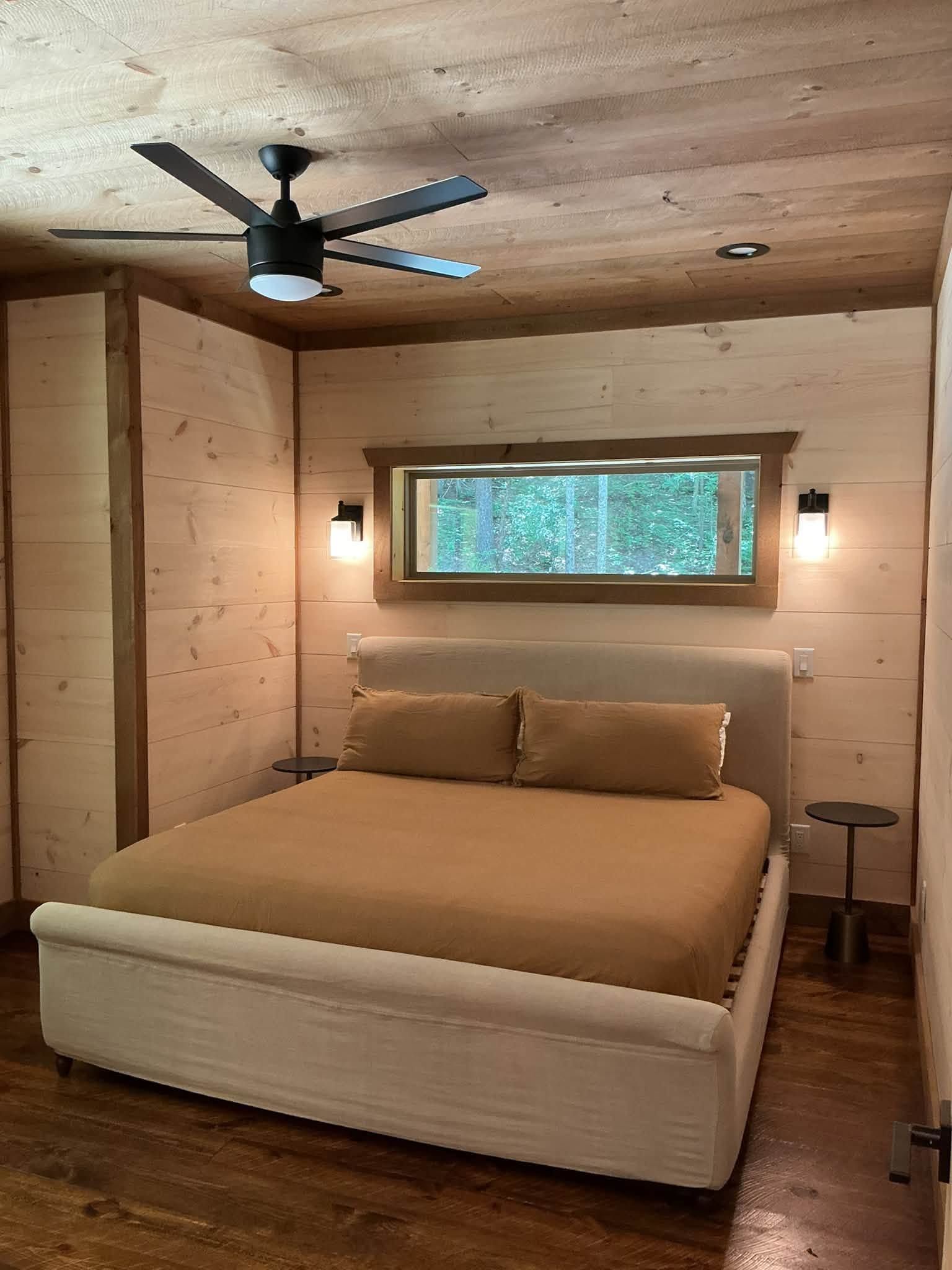
Once installation is complete, you'll see tight, uniform joints at corners and transitions, with baseboards that follow floor lines without gaps, and crown molding that aligns with ceiling planes even where framing isn't perfectly level. Door and window casings will sit flush against walls, and custom details like built-ins or paneling will integrate visually with the room's proportions and existing finishes.
The work also prepares surfaces for painting or staining, with filled nail holes, sanded joints, and primed wood that's ready for final finish coats. Trim installation happens after drywall finishing and before final paint, coordinating with the broader interior finishing timeline to avoid rework or delays caused by out-of-sequence trades.
Answers to Frequent Trim Work Questions
Custom trim projects involve decisions about materials, profiles, and how new work integrates with existing construction, and property owners typically ask about these considerations before starting.
What does custom trim work include beyond standard baseboard and crown?
Custom trim can involve replicating historical profiles, building coffered ceiling details, installing panel wainscoting, or fabricating window seats and built-in shelving. The work requires joinery techniques and material selection that go beyond nailing up pre-milled stock, especially when matching existing millwork in older mountain homes.
How do you match trim profiles in a remodel?
Carpenters measure existing trim cross-sections, then replicate the profile using routers, shapers, or hand planes if the pattern isn't available in standard milling. Wood species and finish also need to match, which sometimes means sourcing reclaimed material or custom-milling new stock to blend with aged wood.
Why does mountain climate affect trim installation?
Seasonal humidity swings in Blue Ridge cause wood to expand and contract, so trim pieces need to be acclimated to interior conditions before installation and fastened in ways that allow slight movement without cracking joints. High-altitude properties also experience wider temperature ranges, which accelerates wood movement compared to climate-controlled lowland homes.
When does trim installation happen in the construction sequence?
Trim work typically occurs after drywall finishing, priming, and any texture application, but before final paint coats. This sequence allows trim to be installed on clean, prepared surfaces while giving painters access to trim edges for caulking and finish work.
What should I look for in custom trim craftsmanship?
Quality work shows tight miter joints with no gaps, consistent reveal around doors and windows, and smooth transitions at inside and outside corners. Nail holes should be filled and sanded, and trim should sit flush against walls without bowing or gaps caused by uneven framing.
G&R Company LLC coordinates custom trim installation with broader build and remodel schedules, drawing on 25 years of North Georgia construction experience to deliver finish carpentry that meets both functional and aesthetic standards. Call (678) 492-6258 to discuss trim requirements, material selection, and project timing for your interior finishing needs.