Interior Surfaces Built for Mountain Conditions
Drywall Install & Repair in Blue Ridge for custom homes, additions, and remodels at high altitude
High-altitude construction in North Georgia introduces moisture and temperature variables that affect how drywall performs over time—seams crack more readily when homes cycle through seasonal heating and cooling, and finishing compounds behave differently in mountain humidity compared to controlled job sites at lower elevations. G&R Company LLC installs and repairs drywall for residential projects across Blue Ridge, Ellijay, and Blairsville, where interior finishing must account for climate conditions that accelerate joint failure and surface imperfections if installation shortcuts are taken. Property owners renovating older mountain homes or building new custom residences depend on drywall work that prepares walls and ceilings for trim and paint without callbacks for cracking or poorly finished transitions.
Installation involves hanging drywall sheets on framed walls and ceilings, taping and mudding seams with joint compound applied in multiple coats, then sanding to create smooth, level surfaces ready for primer and paint. Repair work addresses damage from settling, moisture intrusion, or previous poor finishing, cutting out compromised sections and blending new material with surrounding surfaces so repairs aren't visible after paint.
Schedule an estimate to review drywall scope, surface preparation needs, and coordination with your interior finishing timeline.
Why Drywall Finishing Matters in Mountain Builds
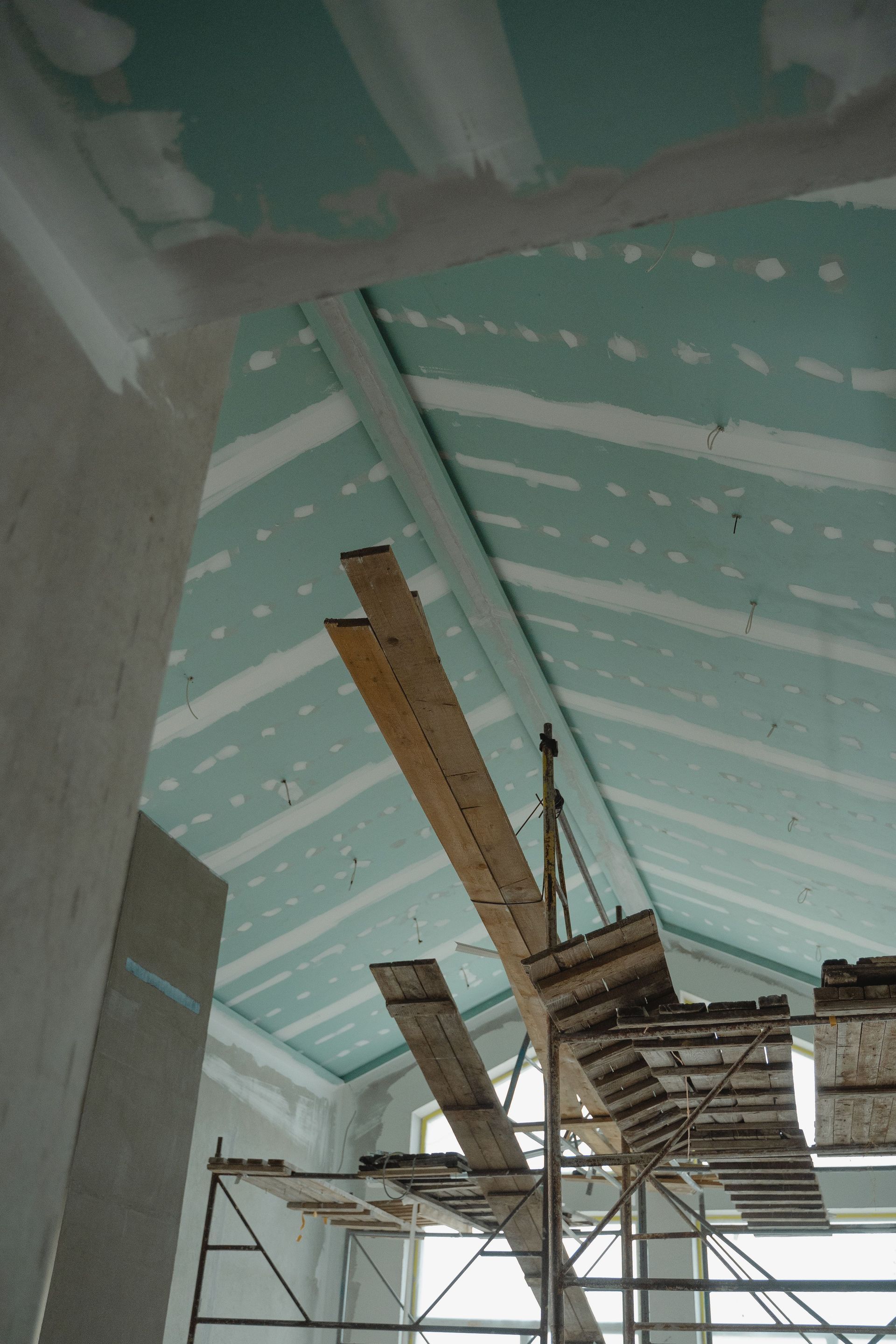
Drywall installation begins with measuring and cutting sheets to fit room dimensions, fastening them to studs with screws spaced to prevent sagging or movement, then applying paper tape and joint compound over seams in stages that allow each layer to dry and shrink before the next coat is added. Finishing work includes coating fastener dimples, feathering edges at transitions, and sanding the entire surface to remove ridges or imperfections that would telegraph through paint. In mountain construction, installers pay extra attention to expansion joints and fastener placement, since temperature swings cause framing lumber to shift more than in climate-stable regions.
After finishing is complete, your walls and ceilings will display smooth, uniform surfaces with no visible seams, ridges, or fastener depressions, and corners will show crisp, straight lines where walls meet ceilings or adjacent walls. You'll notice that paint applies evenly without revealing underlying joint patterns or surface inconsistencies, and trim carpenters will have flat, stable surfaces to install baseboards, crown molding, and casings without fighting wavy drywall edges.
Repair work restores damaged areas to match surrounding finishes, blending texture and surface level so patched zones disappear once painted. This matters in remodels where older drywall may have settled, cracked along seams, or sustained water damage that compromised structural integrity behind the finish layer.
Common Questions About Drywall Work
Interior finishing projects involve decisions about materials, preparation standards, and how drywall coordinates with other trades, and clients often ask about these factors before work begins.
What causes drywall seams to crack in mountain homes?
Seasonal temperature swings cause framing lumber to expand and contract, which stresses drywall seams and fastener points. Inadequate taping—thin compound coats, missed screw dimples, or improper feathering—makes seams more vulnerable to cracking when framing moves.
How many coats of joint compound are needed for proper finishing?
Standard practice involves three coats: an embedding coat that bonds tape to the panel, a second coat that fills and widens the joint, and a final skim coat that feathers edges and smooths the surface. Each coat must dry completely before sanding and applying the next layer, which extends timeline but prevents cracking and shrinkage defects.
When should drywall be installed during construction?
Drywall installation happens after framing, electrical, plumbing, and HVAC rough-in are complete and inspected, but before insulation if spray foam is used. Timing around Blue Ridge weather matters, since high humidity slows joint compound drying and affects sanding quality, while winter heating inside unfinished homes can cause rapid drying that leads to cracking.
How is drywall repair different from new installation?
Repairs involve cutting out damaged sections, installing backing for new panels, then blending joint compound and texture to match existing finishes. Matching texture is often the hardest part, especially with hand-applied or spray patterns that vary by applicator technique.
What surface preparation does drywall need before painting?
Finished drywall requires priming to seal joint compound and paper facing, which otherwise absorb paint unevenly and create a blotchy appearance. Primers also reveal remaining surface imperfections—small ridges, dimples, or rough sanding marks—that need touch-up sanding before final paint coats go on.
G&R Company LLC handles drywall installation and repair as part of comprehensive interior finishing on custom homes, additions, and remodels, coordinating with family crew schedules to keep projects moving efficiently. Reach out at (678) 492-6258 to discuss surface preparation, repair scope, and project phasing for your North Georgia build or renovation.